CULTURE STORY
Responsible Wildlife Photography
A clear, locally grounded guide for making this part of a Tanzania journey fit your time, interests and travel rhythm.
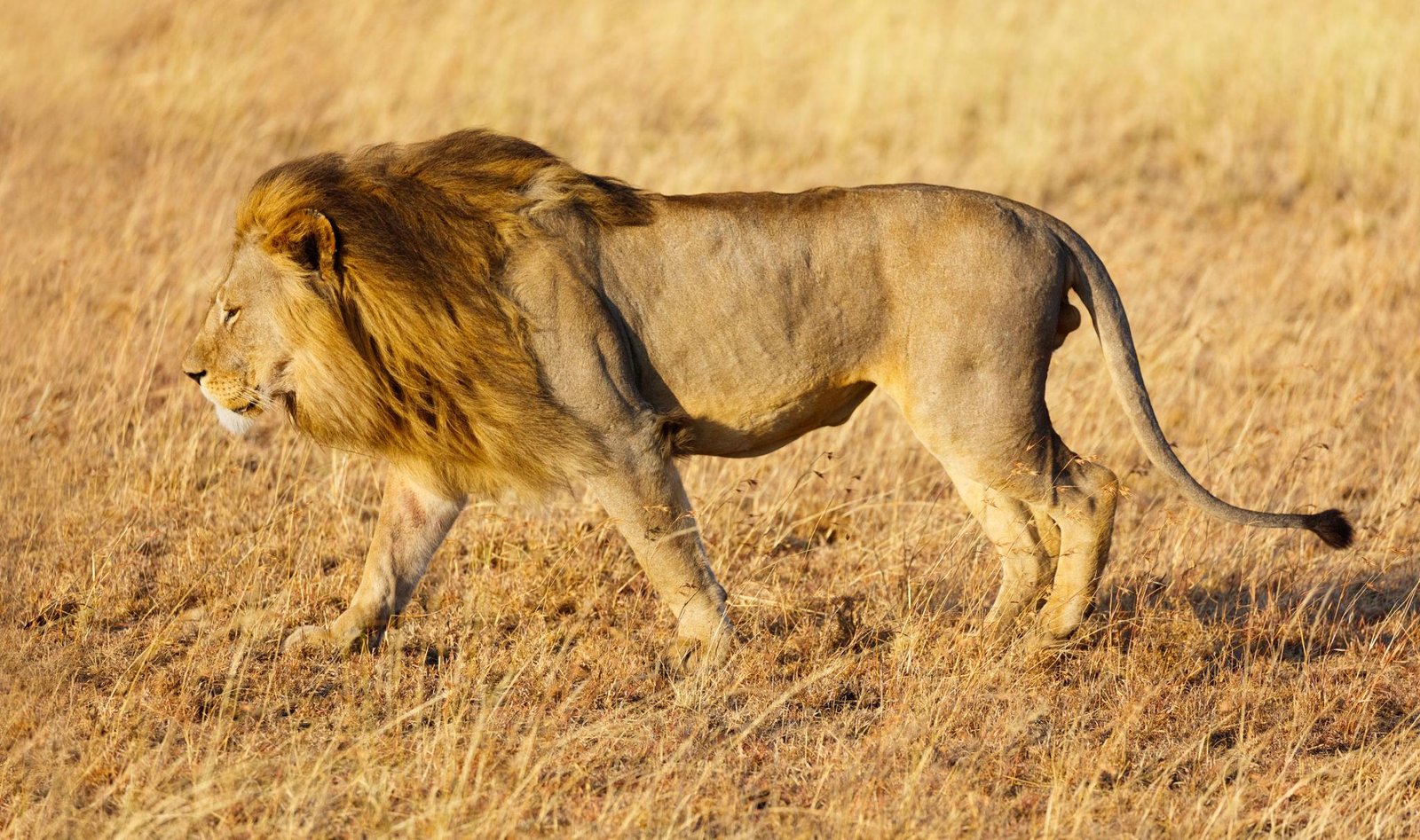
A strong wildlife photograph depends on attention, not entitlement. Animals control the encounter. The guide controls the vehicle within park rules. The photographer’s responsibility is to work inside those limits.
Quick summary
What to carry into your planning.
- Animal welfare comes before the image.
- Never pressure a guide to break park rules.
- Use honest captions and broad locations when uncertain.
01
Distance protects the subject
Long lenses and patient composition are preferable to asking a driver to approach too closely. Never request off-road access where it is prohibited.
Good planning leaves room for current conditions, local guidance and the wider route. Treat this advice as a decision framework, then confirm the operating details that matter for your dates.
02
Do not crowd or block
Several vehicles can change an animal’s options. Follow guide judgement, leave escape routes open and accept that another position may be better for welfare.
Good planning leaves room for current conditions, local guidance and the wider route. Treat this advice as a decision framework, then confirm the operating details that matter for your dates.
03
Use sound and light carefully
Avoid playback, shouting, sudden movement and intrusive flash. Behavioural change is a signal to reduce pressure, not proof of an exciting moment.
Good planning leaves room for current conditions, local guidance and the wider route. Treat this advice as a decision framework, then confirm the operating details that matter for your dates.
04
Tell an honest story
Do not imply a rare event was guaranteed or mislabel a place. Captions can explain habitat and uncertainty without exaggerating what happened.
Good planning leaves room for current conditions, local guidance and the wider route. Treat this advice as a decision framework, then confirm the operating details that matter for your dates.
Key takeaways
Keep the decision clear.
- Animal welfare comes before the image.
- Never pressure a guide to break park rules.
- Use honest captions and broad locations when uncertain.
Useful questions
Before you make the plan.
What should I decide first?
Animal welfare comes before the image.
Can every detail be guaranteed in advance?
No. A sound itinerary confirms booked services while leaving honest flexibility for weather, wildlife, traffic, tides, trail conditions and other factors that cannot be controlled.
.jpg)